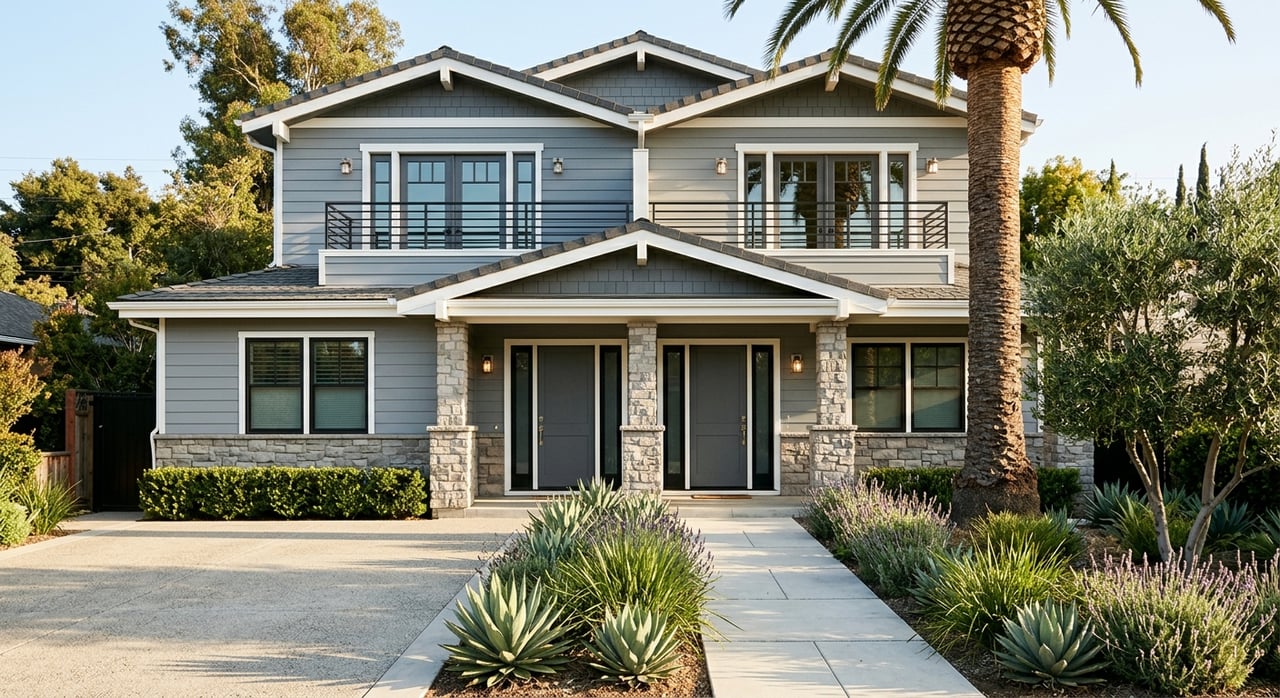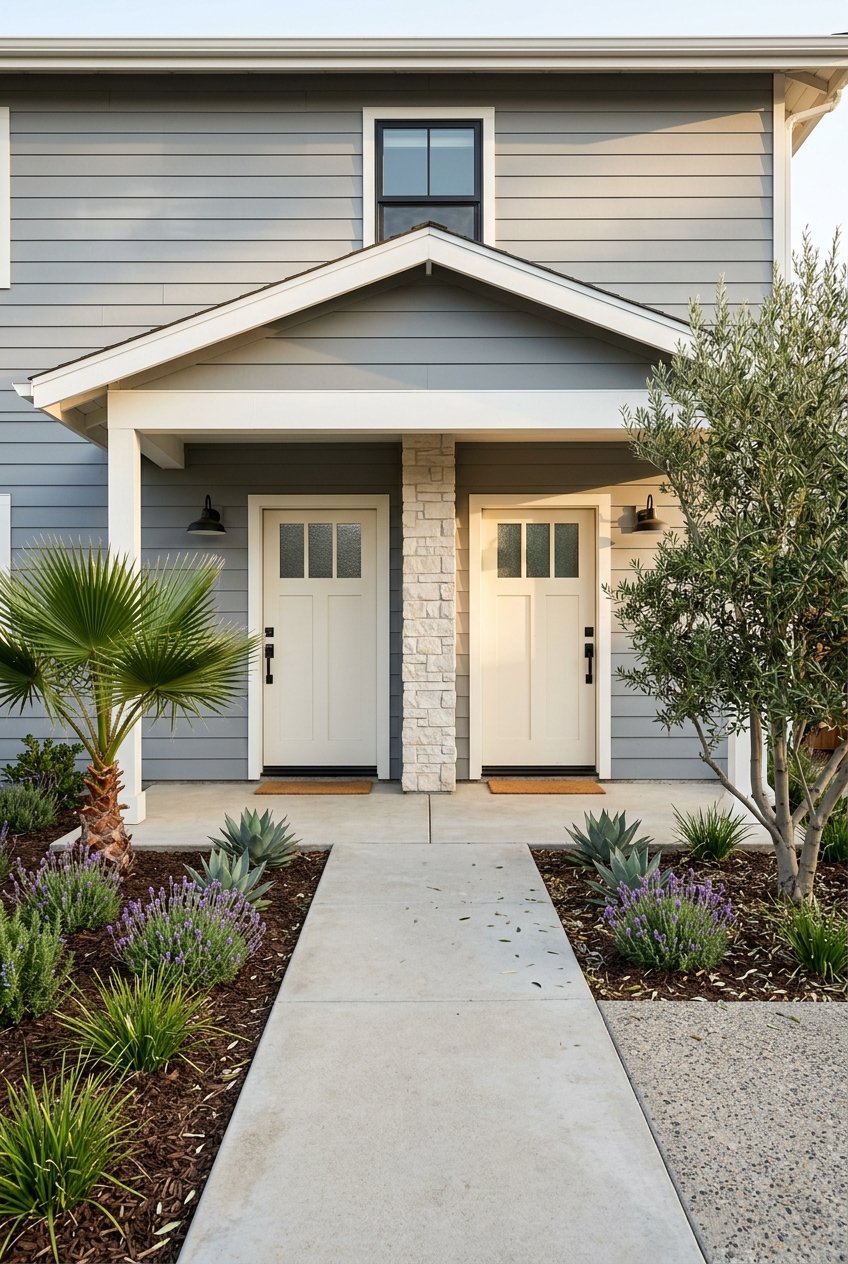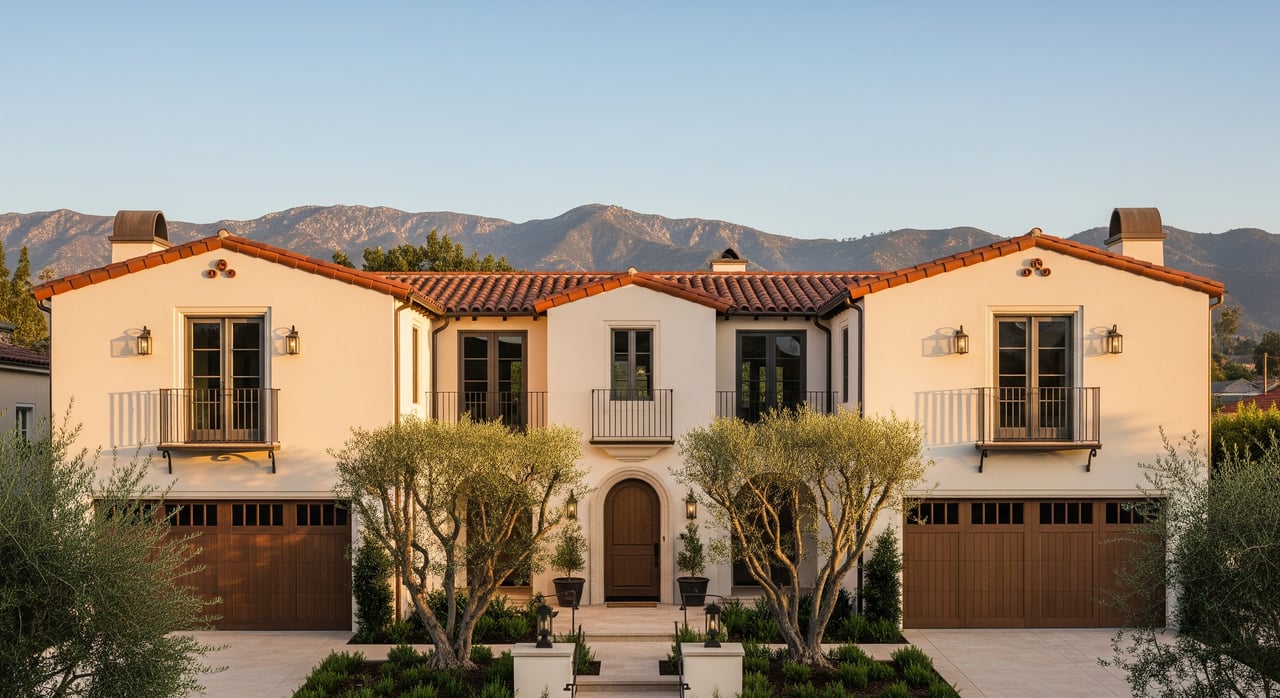
Thinking about buying a duplex or fourplex in Granada Hills but not sure where to start? You’re not alone. Small multifamily can be a powerful way to build income and options, yet the rules, financing, and numbers can feel complex. In this guide, you’ll learn how to evaluate 2 to 4 unit opportunities in Granada Hills, navigate local regulations, choose financing, and run the math with confidence. Let’s dive in.
Why invest in Granada Hills
Granada Hills sits in the northern San Fernando Valley within the City of Los Angeles, with quick access to the 118 and I-5. You’re close to daily needs along local commercial corridors, plus open space like O’Melveny Park for weekend downtime. Many residents commute to job centers across the Valley and into central Los Angeles, which supports steady renter demand.
The housing mix includes single-family homes alongside duplexes, triplexes, and fourplexes. Many older buildings were built before modern codes, which matters for rent rules, insurance, and upgrade planning. Investors and owner-occupants both compete for 2 to 4 unit listings, so you’ll want a sharp plan before you write an offer.
Property types: 2 to 4 units
Duplexes and fourplexes give you multiple rent streams on one parcel. They often qualify for residential financing, which can mean lower rates and simpler underwriting compared to larger commercial buildings. For owner-occupants, living in one unit while renting the others can reduce your housing cost and help you qualify for a stronger loan program.
Expect conservative returns compared to higher-yield markets. Los Angeles cap rates are often lower, so your focus should be on stable income, thoughtful value-add, and long-term appreciation.
Zoning and adding units
Zoning controls how many units you can have, where you can build on the lot, and parking. In Los Angeles, zones such as R1, R2, RD, and R3/R4 each carry different limits. Some existing duplexes and fourplexes may be legal nonconforming, so confirm status before you buy.
- Check parcel zoning and any overlay areas with Los Angeles City Planning.
- Verify permit history, Certificate of Occupancy, and any open code cases with the Los Angeles Department of Building and Safety.
- Confirm rent regulation status and registration with the city’s housing department.
State laws can expand options on some lots:
- SB 9 can allow lot splits or duplex options on certain single-family parcels, subject to local objective standards and exclusions.
- ADU laws support adding accessory units, but costs, utility connections, setbacks, and parking rules affect feasibility.
Plan for time and fees if you pursue unit additions, conversions, or major remodels.
Rent rules and tenant law
Local and state protections are central to your underwriting and operations.
- City of Los Angeles Rent Stabilization Ordinance (RSO): Generally applies to many units built before October 1978. The RSO includes rent increase limits, just-cause eviction rules, relocation assistance in certain no-fault cases, and annual registration.
- California Tenant Protection Act (AB 1482): Adds statewide rent caps and just-cause protections for many rentals, with specific exemptions. In Los Angeles, stronger local rules usually control where they apply.
- Security deposits and move-out timelines: California caps security deposits and sets deadlines for accounting at move-out.
- Habitability and disclosures: You must maintain required standards and provide legally required disclosures, especially for older buildings or properties in certain hazard zones.
Always confirm which laws apply to a specific property before you set rents, plan renovations, or adjust tenancy.
Financing options that fit
You can finance 2 to 4 unit properties in a few ways, each with trade-offs:
- Owner-occupant loans: Conventional and FHA programs often allow 2 to 4 units when you live in one unit. FHA has historically allowed low down payment options for owner-occupants.
- Investor loans: Conventional investor financing typically requires larger down payments and reserves. Lenders may count only a portion of rental income when qualifying.
- Portfolio and bank loans: Local banks or credit unions may offer flexible terms for small multifamily.
- DSCR loans: Underwrite primarily on property cash flow instead of personal income.
- Bridge or hard money: Useful for quick closes or heavy rehab, then refinance after stabilization.
The right choice depends on your occupancy plan, timeline, and the property’s condition and income.
Underwriting made simple
A clear framework helps you compare deals and avoid surprises.
- Gross Scheduled Income (GSI): Market rent for each unit at stabilization, plus any other income.
- Vacancy allowance: Budget 5 to 10 percent depending on cycle and unit turnover.
- Operating expenses: Use actuals when possible. If not, plan for 35 to 50 percent of gross income, adjusted for age and your management approach.
- Capital reserves: Set aside funds each year for big-ticket items and deferred maintenance, with higher budgets for older buildings.
Key formulas you’ll use:
- NOI = Gross Scheduled Income − Vacancy − Operating Expenses
- Cap Rate = NOI ÷ Purchase Price
- Cash-on-Cash Return = (NOI − Annual Debt Service) ÷ Total Cash Invested
- DSCR = NOI ÷ Annual Debt Service
Run sensitivity tests:
- Model rents 5 to 10 percent lower than expected.
- Model expenses 10 to 20 percent higher than expected.
This stress testing prepares you for rate moves, market shifts, or unexpected repairs.
Operations and insurance
How you run the property affects returns and risk.
- Property management: Self-manage or hire a manager. Full-service fees in Los Angeles often range from about 6 to 10 percent of collected rents, or a flat per-unit fee.
- Maintenance planning: Older LA buildings may need ongoing roof, plumbing, electrical, and seismic-related work. Budget conservatively.
- Utilities: Confirm which services are separately metered and who pays each bill. This affects net operating income and tenant expectations.
- Insurance: Landlord policies and general liability are standard. Consider earthquake coverage given regional risk. Note that unpermitted units can create insurance gaps.
Due diligence checklist
Use this list to verify key details before and during escrow:
- Title and liens
- Zoning, legal unit status, and Certificate of Occupancy
- Permit history and open code violations
- Full property inspections, including pest
- Environmental and hazard disclosures, including earthquake and flood zone status
- Rent roll, leases, deposits, and payment history
- Operating statements, tax returns (if available), and utility bills
- Tenant status and any disputes
- Parking compliance and access
- Prior insurance claims and current coverage terms
Risks and timelines to plan
Los Angeles is a high-regulation market. Rules evolve, and permitting can take longer than you expect. Build time buffers into your project plan, set conservative rent and expense assumptions, and confirm rent regulation status early. Market cycles and interest rate changes will also influence cap rates and loan terms, so revisit your numbers before you remove contingencies or start renovations.
How our team can help
You deserve clear numbers and straight answers. Our team pairs an education-first approach with disciplined analysis to help you evaluate 2 to 4 unit opportunities across Granada Hills and the Valley. We walk you through financing paths, run side-by-side underwriting scenarios, and coordinate due diligence with local pros, from inspectors to property managers. If you’re an owner-occupant, we’ll map loan options and house-hack strategies. If you’re an investor, we’ll help you focus on achievable value-add and compliance from day one.
Ready to explore a duplex or fourplex in Granada Hills? Connect with the team at Premier Real Estate Partners to schedule a free consultation and build your plan with confidence.
FAQs
Are Granada Hills duplexes a good investment?
- They can be, if the purchase price, financing, condition, rent levels, and rent regulation status support your goals. Underwrite conservatively and stress test your numbers.
Do I need to live in one unit for better loan terms?
- Many conventional and FHA programs offer more favorable terms for 2 to 4 units when you occupy one unit, while investor loans are available without occupancy at higher down payments.
Are Granada Hills 2 to 4 unit buildings under rent control?
- Many properties built before October 1978 fall under Los Angeles’ RSO, and AB 1482 adds statewide protections; verify the exact status for each property.
Can I add units with SB 9 or build an ADU?
- Possibly, depending on zoning, objective standards, lot size, parking, and site constraints; confirm feasibility with city planning and building departments before you buy.
What hidden costs should I budget for on small multifamily?
- Unpermitted units, deferred maintenance, seismic upgrades, higher insurance premiums, and potential relocation fees for certain no-fault tenant moves can impact your bottom line.
How do I calculate cap rate and cash-on-cash?
- Cap rate equals NOI divided by purchase price, and cash-on-cash equals annual cash flow after debt service divided by your total cash invested.