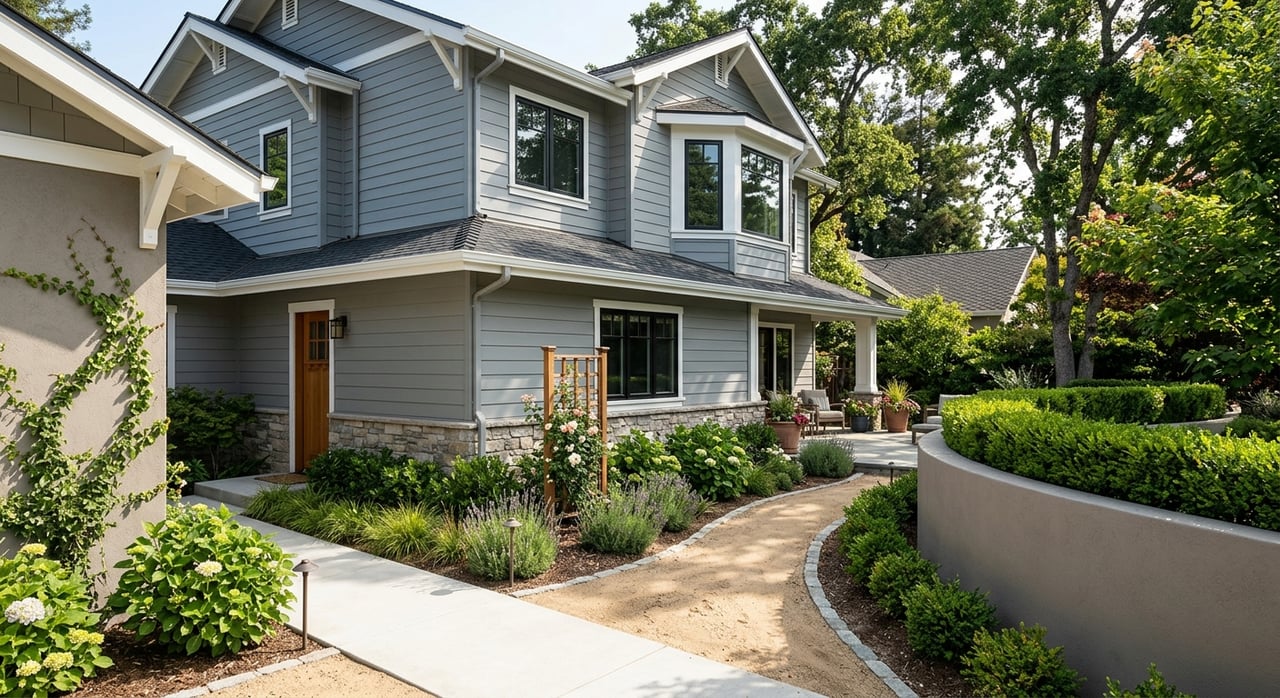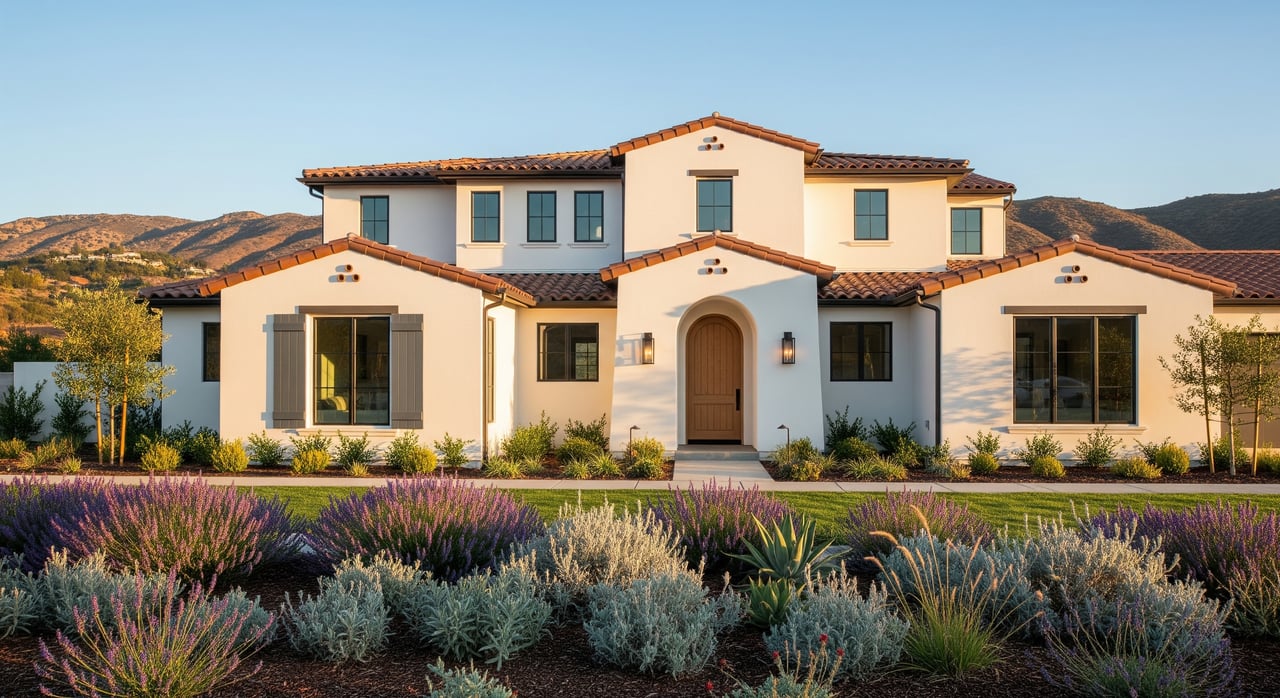
Choosing between a brand-new home and a resale in Canyon Country can feel like two good options pulling you in different directions. You want the best value, a clear timeline, and a home that fits your family without surprise costs. In this guide, you’ll see how the two paths compare on price, timing, warranties, negotiation, and Canyon Country specifics like Mello-Roos and wildfire disclosures. By the end, you’ll know which route fits your goals and what to check before you sign. Let’s dive in.
New vs resale: quick take
- New construction gives you modern systems, energy efficiency, builder warranties, and the chance to personalize finishes. You often trade that for HOA dues, possible Mello-Roos taxes, and a longer timeline to move in.
- Resale homes can close faster and may come with lower HOA or no special taxes. You trade that for potential near-term repairs and fewer customization options on day one.
- In Canyon Country, you’ll see active new-build options in master-planned areas like Vista Canyon, plus a steady stream of resales across established neighborhoods. Builders sometimes offer incentives that narrow the price gap between new and resale, so it pays to compare apples to apples.
Price and total cost in Canyon Country
New homes in high-cost California markets often list higher than older homes with similar square footage. In Canyon Country, that price gap can shrink when builders offer closing credits, mortgage rate buydowns, or upgrade packages. In newer master-planned areas, factor HOA dues and possible Community Facilities District (CFD) special taxes, known as Mello-Roos, into your monthly budget. State law allows cities and school districts to form CFDs to fund infrastructure, which adds an annual special tax that stays with the parcel for the life of the bonds. See the Mello-Roos framework under the Mello-Roos Community Facilities Act for details at the state level: California Government Code, Mello-Roos.
New builds also have upgrade menus. Popular choices like flooring, countertops, and electrical packages often cost extra. On the flip side, builders may offset some of that with incentives, especially on quick-move inventory. In Canyon Country’s Vista Canyon master plan, for example, national builders have opened communities and deliver both model and quick-move homes as phases roll out. To get a feel for what “new” looks like locally, review the background on Vista Canyon activity from a major builder’s announcement: KB Home Vista Canyon communities.
Worked example: apples-to-apples snapshot
The numbers below are sample estimates to show how total cost can compare over the first 5 years. Always replace with the exact fee schedules, tax lines, and repair bids for the homes you’re considering.
New construction example
- Base price: $800,000
- Upgrades selected: $25,000
- Builder incentives: $15,000 credit (net upgrades: $10,000)
- HOA dues: $180 per month
- Mello-Roos: $3,600 per year (estimate) equals $300 per month
- 5-year major repairs: $1,000 set-aside, thanks to warranties
- 5-year non-mortgage carrying cost: HOA $10,800 + Mello-Roos $18,000 + repairs $1,000 = $29,800
Resale example
- Purchase price: $730,000
- HOA dues: $0 per month (example assumes no HOA, confirm for your target home)
- Mello-Roos: $0 (many established tracts do not have CFDs, verify on the title report)
- Immediate repairs/refresh: $12,000
- 5-year capital items: $18,000 (HVAC, water heater, roof tune-up, windows or panel work as needed)
- 5-year non-mortgage carrying cost: $30,000
In this simple scenario, total 5-year non-mortgage costs land in a similar range, but the new-build buyer pays monthly for HOA and Mello-Roos while the resale buyer pays more up front and in periodic projects. Your exact numbers will vary. The key is to compare the full picture, not just the list price.
Tip: Ask your agent and lender to run side-by-side monthly estimates that include HOA and any special taxes. If the tract has a CFD, the special tax will appear on the preliminary title report.
Timeline and certainty
- Resale timeline: Most financed resales close in about 30 to 45 days once you have an accepted offer. Cash can be faster. This path is best if you need a firm move-in date soon.
- New construction timeline: Production new builds typically take several months from start to finish, and custom or pre-sale homes can take longer. Industry guidance pegs a general build window around 6 to 9 months for many detached homes, depending on stage and permitting. Learn more about build timelines here: How long it takes to build a house.
If you need speed, ask builders about quick-move or spec homes already framed or completed. If you have flexibility, a pre-sale lot gives you more choices on finishes but requires patience. Always get estimated completion dates in writing and ask how your contract handles delays.
Inspections and warranties
Even a brand-new home should be inspected. Schedule independent inspections at key stages when allowed, such as a pre-drywall check and a final walkthrough. After closing, plan an 11-month inspection so you can submit any punch-list items inside the one-year workmanship window.
Most builders offer a form of 1-2-10 coverage: one year for workmanship, two years for systems, and up to ten years for major structural items. Ask for the actual warranty document and confirm transferability. For an overview of common new-home warranties, see 2-10 Home Builder Warranty basics.
California law also shapes long-term construction defect claims. Many latent defect claims have a 10-year outer limit under the state’s statute of repose. For background on the legal framework, review this California Supreme Court discussion: Ten-year statute for latent defects. If you have concerns about defects or disputes, consider consulting a qualified real estate attorney.
Negotiation and leverage
- Resale negotiation: Your leverage depends on inventory and days on market. When supply is higher, you can often negotiate price, credits, or repairs. When supply is tight, sellers usually hold more cards.
- New construction negotiation: Builders commonly use incentives like rate buydowns, closing cost credits, or upgrade packages, especially on quick-move homes or later phases. Ask what incentives are available and get them in a signed addendum. For national context on incentives, see how homebuilders are helping buyers with affordability.
- Representation: On-site sales staff work for the builder. Bring your own buyer’s agent to review the contract, watch milestones, and protect your deposit. If incentives are tied to a preferred lender, ask for a side-by-side quote to be sure you are getting a net benefit.
Canyon Country specifics to check
Where new homes are appearing
Vista Canyon: A master-planned, transit-connected area in Canyon Country with active phases and model homes. You’ll find detached homes and townhomes, plus occasional quick-move inventory. For a sense of the community background, see the builder announcement for Vista Canyon communities.
Bouquet Canyon corridor: A large development program in recent years has included roadway work and construction activity that can affect traffic and access. Local outlets have covered resident concerns and meeting updates, such as this notice about a road-closure project meeting: Bouquet Canyon road-closure update. When you tour nearby resales, ask about expected construction timelines, detours, and noise.
Schools and boundaries
School boundaries are a key planning tool for many buyers. Canyon Country addresses feed into local elementary districts and secondary schools in the William S. Hart Union High School District. Always verify attendance areas for a specific address using district resources: Hart District attendance boundaries.
Wildfire disclosures and defensible space
Parts of Canyon Country sit near hills and brush, which triggers extra disclosure steps in high or very high fire hazard zones. Under AB-38, sellers in designated areas must provide defensible space documentation or a signed agreement that the buyer will complete it within a set period. Get familiar with the process here: AB-38 defensible space overview.
Mello-Roos and infrastructure
Many newer tracts use CFDs to fund roads, utilities, and school facilities, which adds a special tax on top of base property taxes. Confirm the CFD name and annual amount on the preliminary title report and include it in your monthly estimate. For the statutory framework, see the Mello-Roos Community Facilities Act. Local utility and planning packets sometimes outline developer-funded work and timing, which can be helpful context when you compare neighborhoods.
Which path fits you right now
Choose new construction if you:
- Want modern systems, energy-efficient features, and builder-backed coverage.
- Can accept a multi-month build window or find a quick-move home.
- Are comfortable with HOA dues and possible Mello-Roos in exchange for newer amenities.
- Value picking finishes or layouts within the builder’s options.
Choose resale if you:
- Need to move in within 30 to 45 days.
- Prefer an established street pattern, mature landscaping, or larger lots.
- Want to avoid HOA or CFD costs where possible.
- Are ready to handle near-term updates or repairs.
Smart next steps
- Run two full budgets. Include HOA, special taxes, and a 5-year repair reserve.
- Ask builders for a price sheet, upgrade menu, HOA schedule, and incentive addendum.
- For resales, review the Transfer Disclosure Statement, permit history, and any wildfire materials early.
- If you are a first-time buyer, check eligibility for state assistance programs that can change your numbers meaningfully. California’s housing finance agency provides a helpful overview of down payment and closing cost support for qualified buyers: CalHFA loan programs.
- Bring your questions to a local advisor who knows Canyon Country’s tracts, incentives, and disclosures. A short consult can save you weeks of guesswork.
Ready to weigh specific homes or communities side by side? Schedule a Free Consultation with Premier Real Estate Partners for a clear, numbers-first plan tailored to your move.
FAQs
How long does a new home take to build in Canyon Country?
- Industry guidance shows many detached homes take roughly 6 to 9 months depending on stage, permitting, and weather, with quicker timelines for spec or quick-move homes.
What are Mello-Roos taxes and how do they affect my payment?
- Mello-Roos are special taxes under California’s CFD law that fund infrastructure and schools; they are billed annually and should be included in your monthly affordability estimate.
Can you negotiate with homebuilders in Santa Clarita?
- Yes, builders often offer incentives like rate buydowns, closing credits, or upgrades, especially on quick-move inventory or slower phases, and terms should be documented in writing.
Are new homes cheaper to maintain than resales?
- Usually in the first several years, because major systems are new and covered by builder or third-party warranties, though you must also factor HOA dues and any special taxes.
What wildfire disclosures should I expect in Canyon Country?
- In designated fire hazard zones, AB-38 requires defensible-space documentation or a buyer agreement to complete it post-close, so review these materials early in your escrow.
How do Canyon Country schools factor into a home search?
- School boundaries vary by address, so verify attendance areas directly with the William S. Hart Union High School District and relevant elementary districts before you write an offer.