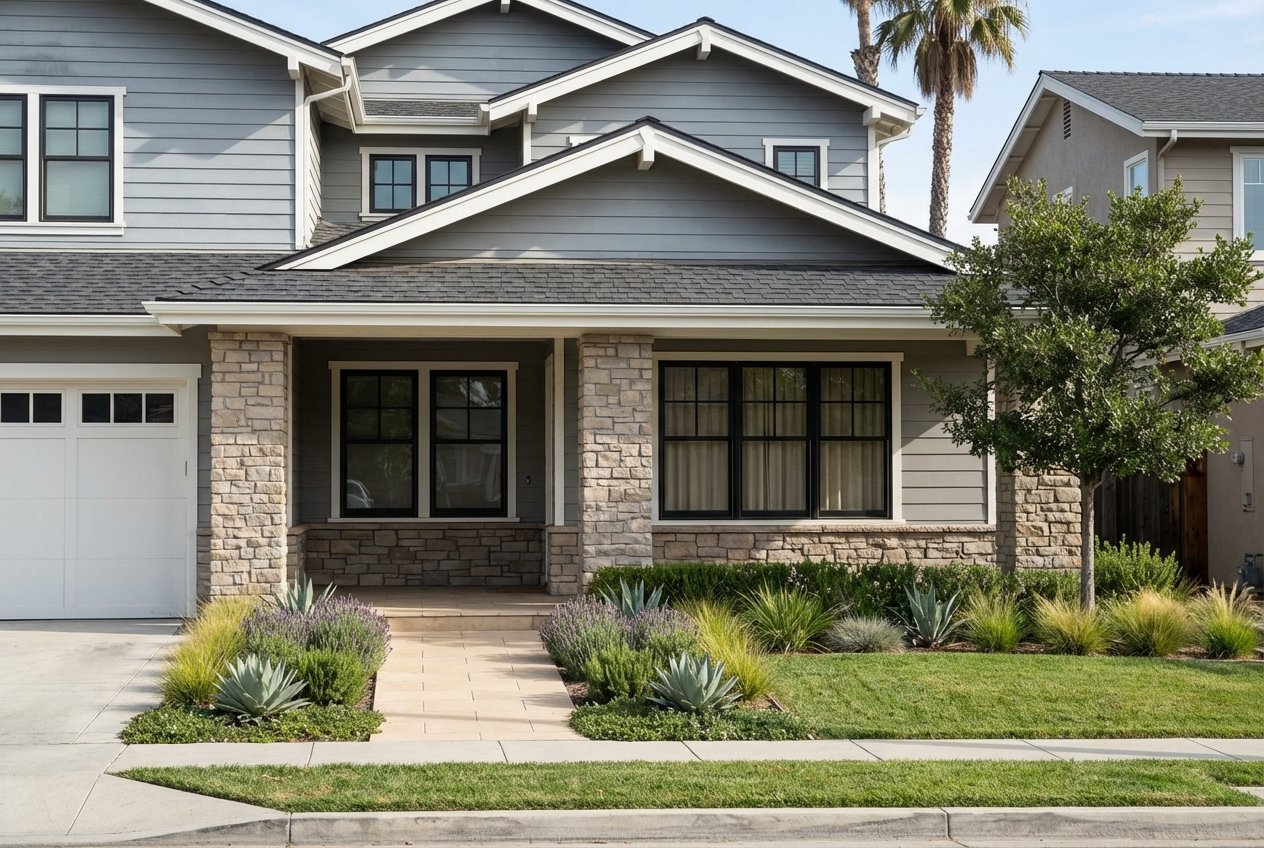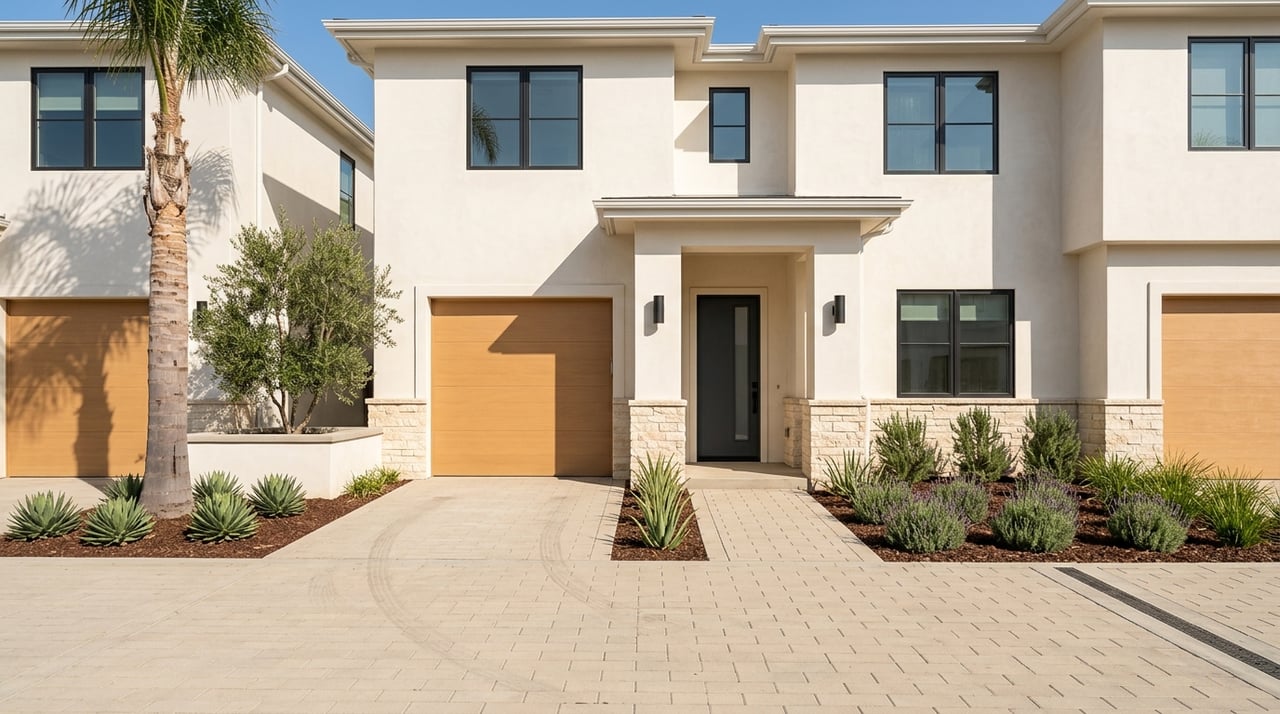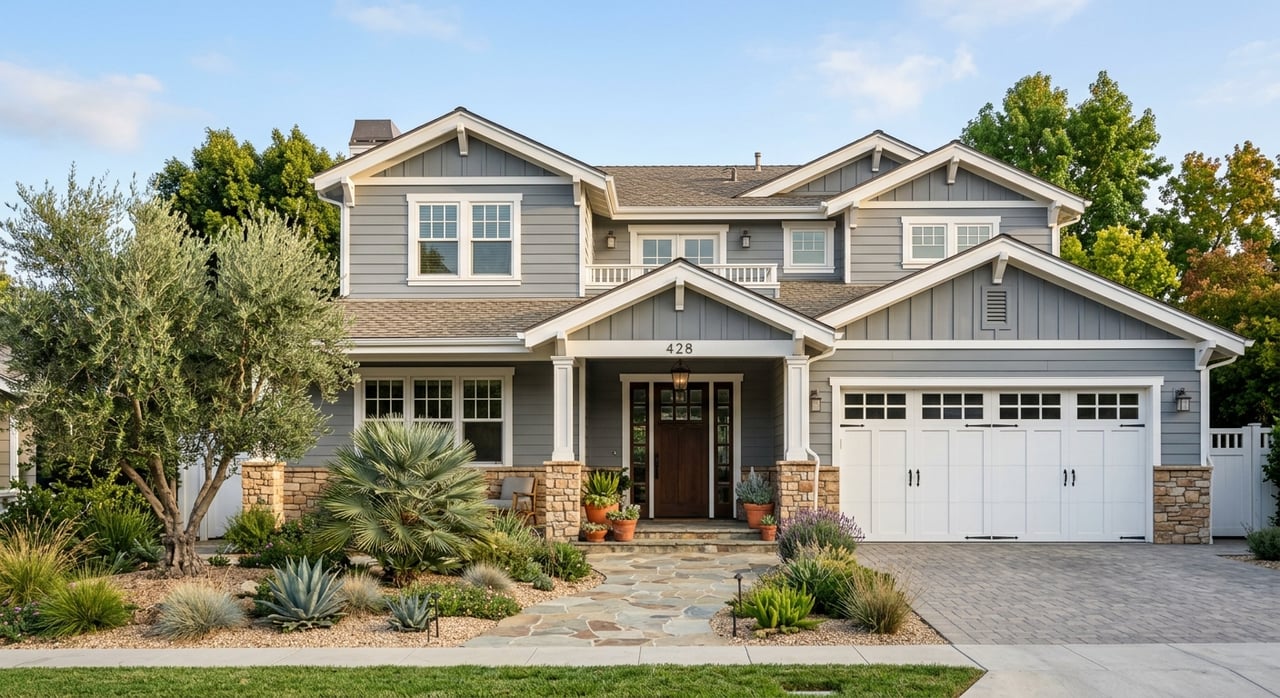
Wondering whether a newer or older home in Saugus is the better buy? It is a smart question, because in Saugus, the answer is not as simple as checking the year built. If you want a home that fits your budget, lifestyle, and comfort level with repairs, you need to look beyond age alone. Let’s break down what really matters so you can compare homes with more confidence.
What “newer” means in Saugus
In Saugus, “newer” often does not mean brand-new construction. Local historical records show that many well-known Saugus communities were built from the late 1970s through about 2000, including Sutters Pointe around 1978, Circle J Ranch in 1981, Mountainview West in 1985, Mountainview Courtyards in 1987, and Oak Lane Homes in 2000.
That means many buyers in Saugus are really choosing between established homes from the 1970s and homes from the 1980s, 1990s, or early 2000s. In practical terms, your comparison should focus less on “old versus new” and more on how a specific tract was designed, how the home has been maintained, and which major systems have already been updated.
Compare layout before year built
One of the biggest differences between newer and older homes in Saugus is often the floor plan. Representative local listing data shows that newer homes tend to feature open layouts, higher ceilings, and interiors that feel more current.
For example, a 1989 home on Scallion Drive offered an open floor plan, high ceilings, 1,691 square feet, and a 6,314 square foot lot. A 1999 home on Skylake Place had 3,766 square feet, an 8,141 square foot lot, no common walls, and a tile roof. A 2001 Oak Lane townhouse included an open floor plan, high ceilings, one common wall, and shared amenities.
Older homes in Saugus may feel more traditional in layout. A 1972 home on Diane Marie Circle had 1,471 square feet on a 4,921 square foot lot with a more conventional design. That does not make it worse, just different.
If you like separated living spaces, established streetscapes, or a more classic floor plan, an older home may fit you well. If you want a more open feel with less need for immediate cosmetic updates, a newer home may be the easier match.
Lot size can vary more than you think
A common mistake is assuming older homes always have larger lots. In Saugus, that is not always true. Some newer detached homes sit on sizable lots, while some older homes have smaller tract lots.
At the same time, certain older Saugus communities were planned very differently. Circle J Ranch, for example, was marketed as an equestrian community with average lot sizes around two-thirds of an acre, along with HOA-maintained trails and community areas.
The takeaway is simple: look at the tract and lot plan, not just the year built. If outdoor space matters to you, compare actual lot size, usable yard space, privacy, and community design before making assumptions.
Total ownership cost matters most
The list price is only part of the story. When you are choosing between newer and older homes in Saugus, the better question is: what will this home cost you to own over time?
Newer homes may offer efficiency advantages
ENERGY STAR says certified new homes exceed minimum energy code by at least 10% and are independently verified for insulation, windows, air sealing, and HVAC performance. Not every newer home is ENERGY STAR certified, but newer construction often has an advantage when it comes to comfort and utility efficiency.
That can mean lower day-to-day costs, fewer drafts, and more predictable performance from major systems. If monthly budgeting matters to you, this can be a real benefit.
Older homes may need more upkeep
The U.S. Census Bureau found that owners of older homes spent a median of $1,800 per year on upkeep, while new owners of older homes spent a median of $3,900 per year. Common projects included plumbing fixtures, flooring, water heaters, windows and doors, roof work, landscaping, fencing, and driveways.
This does not mean every older Saugus home will need expensive work right away. It does mean you should budget carefully and ask strong questions about what has already been replaced versus what is still original.
HOA dues can change the math
Monthly HOA dues vary widely in Saugus and can affect affordability just as much as utility costs or maintenance. In the local examples from the research, HOA dues ranged from $39 per month on a 1972 home to $65 on a 1989 home and $355 on a 2001 townhouse.
Those dues may support amenities, controlled access, trails, pools, spas, or community area maintenance. A lower-priced home with higher dues may not be the better value once you compare the full monthly cost.
Watch for age-related repair issues
When you tour homes, try to think like an owner, not just a shopper. The age of the property matters less than the age and condition of the major systems.
According to the inspection guidance cited in the research, a home inspector should evaluate the structure, exterior, roofing, plumbing, electrical, heating and air conditioning, interiors, ventilation and insulation, and fireplaces. For older homes, it is especially important to look closely at roof condition, water supply and drainage, service panels and breakers, water heater age, and chimney issues.
In plain terms, a well-maintained older home with newer systems may be a stronger value than a newer home with deferred maintenance. That is why a careful inspection and a clear review of seller disclosures matter so much.
Pre-1978 homes need extra questions
If you are considering a Saugus home built before 1978, there is one more factor to keep in mind. The EPA says homes built before 1978 are more likely to contain lead-based paint, and deteriorating paint or dust from renovation can create health hazards.
Because some established Saugus homes predate that cutoff, you should ask whether there is any lead-paint history, whether testing has been done, and whether past renovation work followed lead-safe practices. This is not a reason to avoid an older home, but it is absolutely a reason to ask better questions.
Questions to ask before you decide
If you are comparing newer and older homes in Saugus, bring a short checklist with you. A clear set of questions can help you compare homes on facts instead of gut feeling.
Ask about the major systems
Use these questions when reviewing disclosures, touring a home, or talking through a property with your agent:
- When were the roof, HVAC, water heater, windows, plumbing, and electrical panel last replaced?
- Which major systems are original, and which have been updated?
- What work was done with permits?
- Is there any pre-1978 lead-paint history or lead-safe renovation documentation?
- What maintenance issues have come up in recent years?
Ask about monthly ownership costs
A smart comparison should include more than the mortgage payment. Ask:
- What are the HOA dues for this address?
- What services or amenities do those dues cover?
- Are there common walls or shared amenities?
- How might utility costs compare based on the home’s age and features?
- What near-term repairs should you budget for?
A simple Saugus decision framework
If you are feeling stuck, keep your decision process simple.
Choose a newer home in Saugus if you want:
- More open layouts
- Higher ceilings or a more modern interior feel
- Potentially better energy efficiency
- HOA-backed amenities or community features
- Fewer immediate update projects
Choose an older home in Saugus if you want:
- A more traditional layout
- A tract with distinctive lot planning
- The possibility of more character or a less standardized design
- A home where updates may let you build value over time
- More flexibility if you are comfortable planning repairs and improvements
In the end, the best choice usually comes down to four things: the tract, the lot, the HOA, and the age of the major systems. Once you compare those carefully, the build year becomes just one part of the bigger picture.
If you want help sorting through Saugus homes with a clear, numbers-first approach, Premier Real Estate Partners can help you compare options, understand ownership costs, and choose with confidence.
FAQs
Should you choose a newer or older home in Saugus based on year built alone?
- No. In Saugus, tract design, lot size, HOA structure, and the condition of major systems usually matter more than the year built by itself.
What is considered a newer home in Saugus?
- In many local buyer conversations, “newer” often refers to homes built in the 1980s through early 2000s, not necessarily brand-new construction.
Do older homes in Saugus always have bigger lots?
- No. Some older homes have modest tract lots, while some newer detached homes also offer substantial lot sizes. Certain communities, such as Circle J Ranch, are a notable exception with much larger planned lots.
What costs should you compare when choosing between Saugus homes?
- Compare list price, HOA dues, utility efficiency, expected maintenance, and the likely timing of major repairs such as roof, HVAC, water heater, windows, plumbing, and electrical updates.
What should you ask about an older home in Saugus before making an offer?
- Ask when the roof, HVAC, water heater, windows, plumbing, and electrical panel were replaced, whether past work had permits, and whether there is any pre-1978 lead-paint history or lead-safe renovation documentation.